Thinking about buying a second home, a vacation getaway, or an investment property? Nevada is one of the smartest places in the country to buy — and if you’re relocating from a higher-tax state like California, the case is even stronger. Here’s why Nevada stands out, and what to weigh before you buy.
Nevada has no state income tax
Start with the tax picture. Nevada has no state income tax — one of only a handful of states that can say that. For buyers coming from higher-tax states, that difference alone can reshape what you’re able to afford and what you keep. It’s a major reason so many people are relocating to Northern Nevada and the Lake Tahoe area.
Short-term rental income potential
A second home doesn’t have to sit empty when you’re not using it. In resort areas like Lake Tahoe, Incline Village, Reno, and the surrounding communities, many properties can be rented out short-term — with the proper local permit — so your getaway can help pay for itself. That income potential is a big part of what makes a Nevada second home double as an investment.
Lifestyle and steady demand
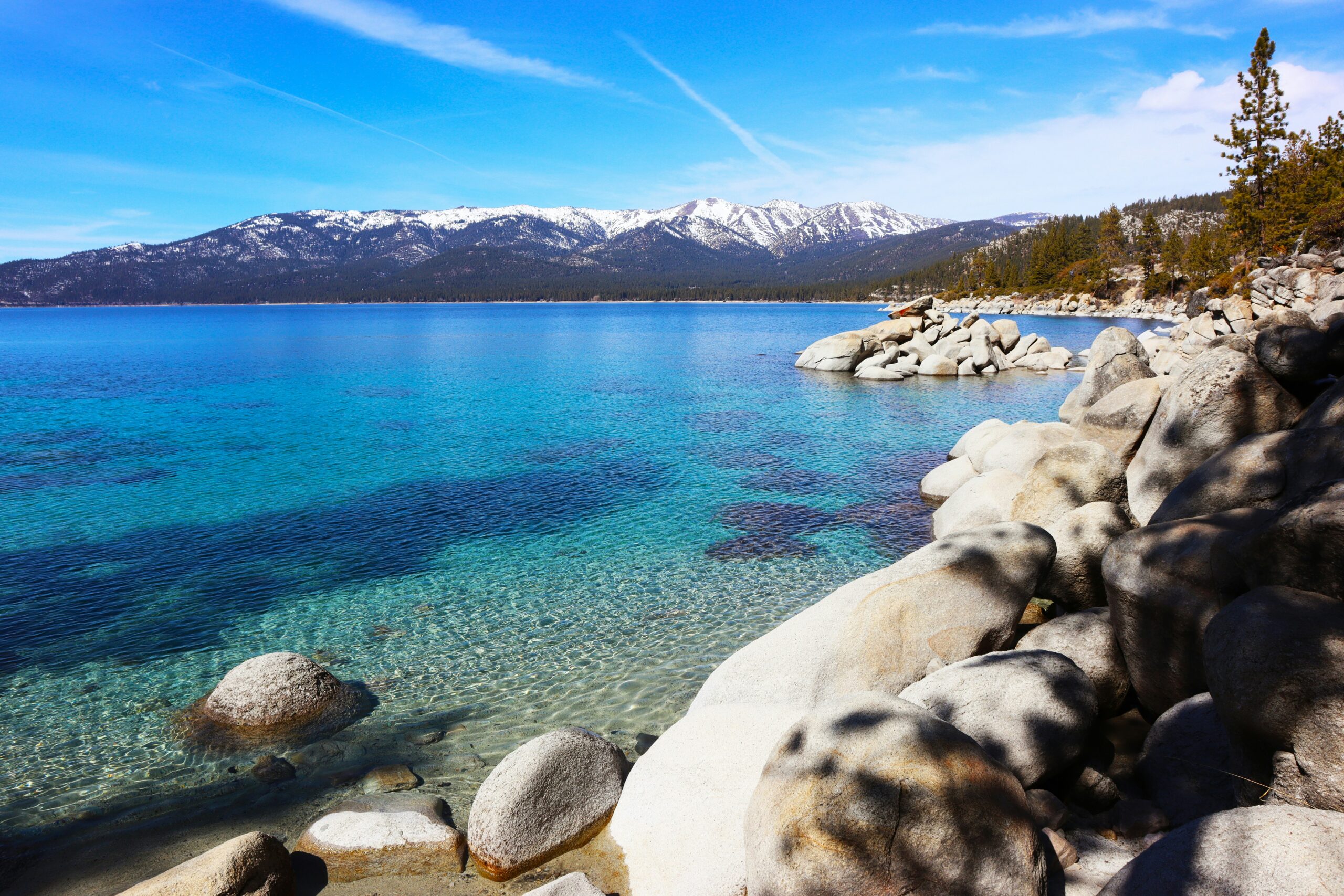
Then there’s the lifestyle: world-class skiing at Diamond Peak and other resorts, Lake Tahoe’s beaches, year-round outdoor recreation, and a growing regional economy. That combination drives steady demand — which supports both your enjoyment today and your property’s long-term value.
What to weigh before you buy
A few things to know going in:
- Short-term rental rules vary by area and usually require a permit. Confirm what’s allowed in a specific community before you buy.
- Financing works differently for a second home or investment property than for a primary residence.
- Factor in management if you plan to rent it out.
- Check with your tax professional about how a second home or investment property fits your specific situation.
None of it is complicated with the right guidance — it’s just worth understanding before you buy.
Is a Nevada second home right for you?
Whether you’re after a getaway, an investment, or a little of both, Nevada offers a combination of tax advantages, rental potential, and lifestyle that a lot of markets simply can’t match. If you’re thinking about a second home or investment property in Reno, Lake Tahoe, or anywhere in Northern Nevada, let’s talk through what makes sense for you.
Contact Blaine Moore, REALTOR® | RE/MAX Gold | NV License #S.169620 — (775) 354-6211 — to talk through your goals.
Frequently Asked Questions
Does Nevada have a state income tax?
No. Nevada has no state income tax, which is a major draw for second-home and investment-property buyers — especially those relocating from higher-tax states like California.
Can you rent out a second home in Nevada short-term?
In many resort areas — Lake Tahoe, Incline Village, Reno, and surrounding communities — yes, with the proper local permit. Short-term rental rules vary by community, so confirm what’s allowed before you buy.
Is Nevada a good place to buy an investment property?
Nevada combines no state income tax, strong demand in resort and growth markets, and short-term rental potential — a mix many markets can’t offer, which makes it attractive for investment and second-home buyers.
What should I consider before buying a second home in Nevada?
Confirm short-term rental rules and permits for the specific area, understand that second-home and investment financing differs from a primary residence, plan for property management if you’ll rent it, and check with your tax professional about your situation.
Where are the best areas to buy a second home in Northern Nevada?
Lake Tahoe and Incline Village are popular for resort and lakefront living, while Reno and Sparks offer growth and strong rental demand. The right fit depends on whether you’re prioritizing lifestyle, rental income, or both.